
Website speed and SEO are no longer separate goals. In 2026, search engines evaluate performance, user experience, and content quality together. A slow or poorly optimized website can block rankings, reduce conversions, and increase bounce rates even if the content is strong.
At WaffleBytes, we see one clear trend. Websites that load fast, meet Core Web Vitals benchmarks, and follow modern SEO architecture consistently outperform competitors. This guide explains how to build fast, SEO optimized websites in 2026 using practical and proven strategies.
Why Website Speed Matters More Than Ever in 2026
Search engines now prioritize user experience signals heavily. Speed is one of the strongest indicators of quality.
Fast websites deliver better engagement, higher session duration, and improved conversion rates. From an SEO perspective, speed impacts crawl efficiency, indexation, and rankings.
Key reasons speed matters in 2026:
- Core Web Vitals are ranking signals
- Mobile-first indexing is fully mature
- AI-powered search evaluates user satisfaction
- Slow sites lose visibility in competitive niches
Building a fast website is no longer optional. It is a core SEO requirement.
Core Web Vitals Optimization as a Foundation
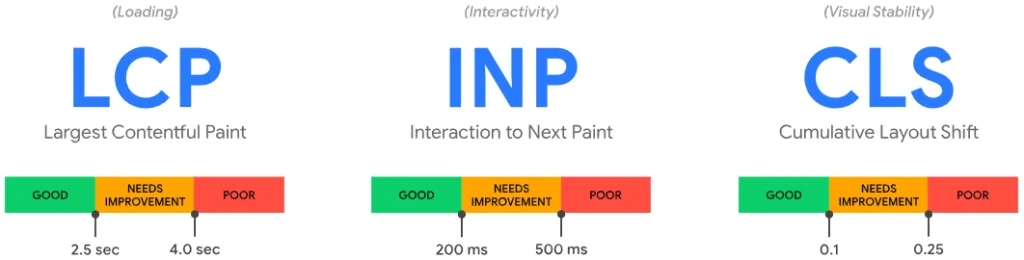
To build an SEO optimized website in 2026, Core Web Vitals must be addressed from day one.
Largest Contentful Paint
LCP measures how fast the main content loads. Aim for under 2.5 seconds.
Best practices:
- Use fast hosting with low server response time
- Optimize hero images and banners
- Implement server-side rendering where possible
Interaction to Next Paint
INP replaces older interaction metrics and focuses on responsiveness.
Best practices:
- Reduce JavaScript execution
- Avoid heavy third-party scripts
- Use efficient event handling
Cumulative Layout Shift
CLS measures visual stability.
Best practices:
- Always define image and video dimensions
- Avoid late-loading fonts and ads
- Preload critical resources
Meeting these benchmarks improves both rankings and user trust.
Choosing the Right Tech Stack for Speed and SEO

Technology choices directly impact performance and SEO.
Lightweight Frameworks
Avoid overloading websites with unnecessary frameworks. Modern stacks like Next.js, Astro, or optimized WordPress setups perform well when configured properly.
Server and Hosting Optimization
Fast hosting is the backbone of performance.
Recommended practices:
- Use cloud hosting with CDN integration
- Enable HTTP/3 where available
- Choose servers close to your target audience
Content Delivery Networks
CDNs reduce latency and improve global load times. They are essential for SEO optimized websites in 2026.
SEO Friendly Website Architecture
Search engines prefer clean, logical structures that are easy to crawl and understand.
URL Structure
Use simple, keyword-focused URLs. Avoid unnecessary parameters and session IDs.
Example:
example.com/seo-services
instead of
example.com/page?id=123
Internal Linking Strategy
Strong internal linking improves crawlability and distributes authority.
Best practices:
- Use descriptive anchor text
- Link related pages naturally
- Maintain a shallow click depth
XML Sitemaps and Indexing Control
Ensure clean XML sitemaps and proper use of robots.txt. Remove low-value URLs from indexation to improve crawl efficiency.
Optimizing Images and Media for Performance
Images remain one of the biggest causes of slow websites.
Image Optimization Techniques
- Use modern formats like WebP or AVIF
- Compress images without quality loss
- Serve responsive images using srcset
Lazy Loading Best Practices
Lazy load images below the fold, but always preload critical images for faster LCP.
Clean and Efficient Code Matters
Code quality impacts both speed and SEO.
Minification and Compression
- Minify CSS, JavaScript, and HTML
- Enable GZIP or Brotli compression
Reduce Render Blocking Resources
- Inline critical CSS
- Defer non-essential JavaScript
- Remove unused CSS
These steps significantly improve first load performance.
Mobile Optimization Is Non Negotiable
In 2026, most searches happen on mobile devices. Google evaluates your mobile version first.
Mobile SEO best practices:
- Responsive design
- Fast mobile load times
- Touch-friendly navigation
- Readable font sizes
A fast mobile experience directly improves rankings and conversions.
Content Optimization for Speed and SEO
Content should support performance, not slow it down.
Smart Content Formatting
- Use clear headings and subheadings
- Avoid excessive embedded scripts
- Break content into readable sections
AI Friendly Content Structure
Search engines increasingly use AI to evaluate content usefulness.
Best practices:
- Answer search intent clearly
- Use natural language
- Include FAQs and structured data
Advanced Technical SEO for Fast Websites
Structured Data Implementation
Schema markup helps search engines understand your content and can improve visibility through rich results.
Log File Analysis
Analyze crawl behavior to identify wasted crawl budget and slow-loading pages.
Regular Performance Audits
Use tools like PageSpeed Insights, Lighthouse, and Search Console to monitor speed and SEO health.
Why Businesses Trust WaffleBytes for Fast SEO Websites
At WaffleBytes, we build websites with performance and SEO integrated from the start.
Our approach includes:
- Core Web Vitals focused development
- SEO friendly architecture
- Speed optimized content strategies
- Ongoing performance monitoring
Building fast, SEO optimized websites in 2026 requires a holistic approach. Speed, technical SEO, content quality, and user experience must work together.
Businesses that invest in performance-first SEO strategies will dominate search results while others struggle to keep up. With the right tools, technology, and expertise, creating high-performing websites is achievable.
A website should load in under 2.5 seconds to meet Core Web Vitals standards and perform well in search results.
Yes, speed impacts rankings, crawlability, user engagement, and conversion rates.
Yes, Core Web Vitals remain a critical ranking factor and a strong indicator of user experience.
Yes, with proper hosting, optimization, and clean themes, WordPress sites can perform extremely well.
Performance audits should be conducted quarterly or after major updates to maintain speed and SEO health.
