
Choosing the right paid advertising platform is critical for business growth. With multiple Google advertising options available, many business owners struggle to decide between Local Service Ads and traditional Google Ads. Both platforms help generate leads, but they work in very different ways and serve different business goals.
In this guide, we break down how Local Service Ads and Google Ads work, their key differences, advantages, limitations and how to choose the right option for your business in 2026.
What Are Local Service Ads?
Local Service Ads, often called LSAs, are pay per lead advertisements designed specifically for service based businesses. These ads appear at the very top of Google search results above standard text ads and organic listings.
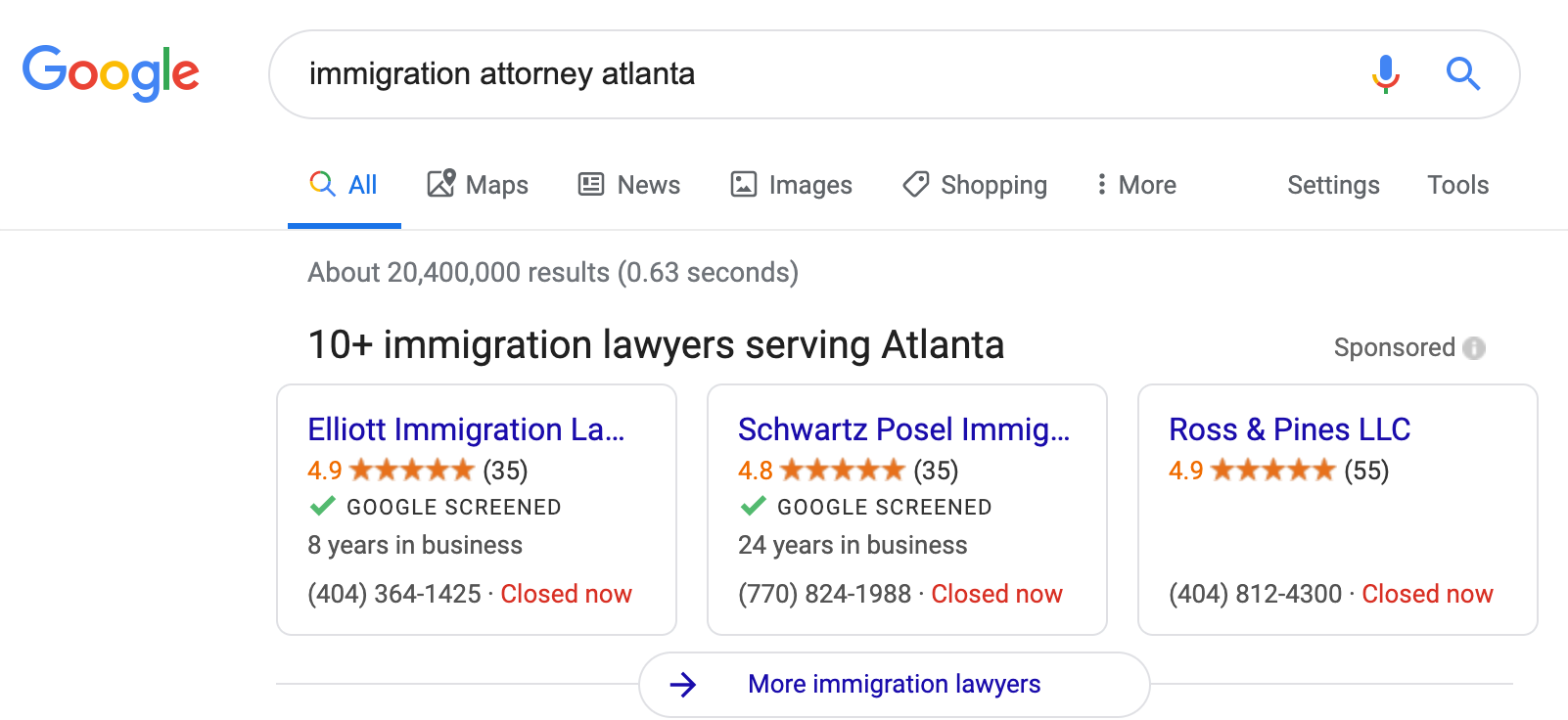
LSAs are commonly used by local service providers such as plumbers, electricians, locksmiths, cleaners, pest control companies, lawyers and other location based professionals.
Key features of Local Service Ads
- Pay only for valid leads, not clicks
- Appear at the very top of local search results
- Display trust signals like Google Guaranteed or Google Screened badges
- Include direct call and message options
- Focus heavily on proximity and service area
What Are Google Ads?
Google Ads refers to the traditional pay per click advertising platform that includes search ads, display ads, shopping ads, video ads and discovery ads.
Google Ads offer flexibility and scalability for almost any type of business including eCommerce, SaaS, B2B services and local businesses.
Key features of Google Ads
- Pay per click or impression
- Full control over keywords, bidding and targeting
- Multiple ad formats available
- Advanced audience targeting
- Works for both local and global campaigns
Local Service Ads vs Google Ads: Key Differences
Understanding the differences helps you decide which platform aligns better with your business goals.
1. Payment Model
Local Service Ads operate on a pay per lead model. You are charged only when a valid lead contacts your business.
Google Ads follow a pay per click model. You pay every time someone clicks your ad, regardless of conversion.
2. Ad Placement
Local Service Ads appear above all other ads and organic results, making them highly visible.
Google Ads appear below LSAs but above organic listings depending on bid and quality score.
3. Trust and Credibility
Local Service Ads include Google Guaranteed or Google Screened badges, which increase trust and conversion rates.
Google Ads do not include built in trust badges. Credibility depends on ad copy, landing pages and reviews.
4. Targeting Control
Local Service Ads offer limited targeting options mainly based on service area and category.
Google Ads provide advanced targeting including keywords, locations, devices, audiences, schedules and demographics.
5. Lead Quality
Local Service Ads typically generate high intent leads since users are ready to hire a service provider.
Google Ads can generate both high intent and research based traffic depending on keyword selection.
Pros and Cons of Local Service Ads
Advantages
- Pay only for qualified leads
- High visibility and strong trust signals
- Simple setup and management
- Ideal for local service providers
- Higher conversion rates for service based queries
Limitations
- Available only for specific industries
- Limited control over keywords
- Lead volume depends on location and competition
- Less flexibility for scaling beyond local areas
Pros and Cons of Google Ads
Advantages
- Suitable for almost every business type
- Full control over campaign strategy
- Scalable across locations and markets
- Multiple ad formats for different goals
- Strong remarketing and audience targeting
Limitations
- Pay for clicks, not conversions
- Requires expertise for optimization
- Can become expensive in competitive niches
- Needs strong landing pages for success
Which Businesses Should Choose Local Service Ads?
Local Service Ads are best suited for:
- Home service providers
- Legal services
- Repair and maintenance businesses
- Healthcare service providers
- Location based professional services
If your goal is to generate direct calls and bookings within a specific service area, LSAs are a strong choice.
Which Businesses Should Choose Google Ads?
Google Ads work best for:
- eCommerce brands
- SaaS and tech companies
- Agencies and consultants
- National or international businesses
- Companies focusing on lead nurturing and remarketing
Can You Use Both Together?
Yes, using both Local Service Ads and Google Ads together often delivers the best results.
A combined strategy allows you to:
- Capture high intent leads through LSAs
- Build brand awareness with Google Ads
- Retarget visitors who did not convert
- Dominate search results for competitive keywords
Cost Comparison: Local Service Ads vs Google Ads
Local Service Ads costs vary based on industry and location. You typically pay a fixed cost per lead.
Google Ads costs depend on competition, keyword bids, quality score and campaign structure.
In many cases, LSAs deliver a lower cost per lead, while Google Ads provide higher scalability.
How to Choose the Right Option for Your Business
Ask yourself these questions:
- Are you a local service provider or a scalable business?
- Do you want leads or website traffic?
- Do you need advanced targeting?
- What is your monthly advertising budget?
- Are you looking for short term leads or long term growth?
Both Local Service Ads and Google Ads are powerful advertising tools when used correctly. Local Service Ads excel at generating high intent local leads with strong trust signals. Google Ads provide flexibility, scalability and deeper control for long term growth.
Choosing the right platform depends on your business type, goals, budget and growth strategy. At WaffleBytes, we help businesses evaluate, set up and optimize both platforms to maximize return on ad spend.
FAQ’s
Local Service Ads are better for local service businesses focused on direct leads, while Google Ads are better for scalability and broader targeting.
In many cases, LSAs have a lower cost per lead, but costs vary by industry and location.
No, Local Service Ads are designed only for service based businesses, not product based companies.
A website is not mandatory, but having one improves trust and conversion rates.
Yes, combining both platforms often increases lead volume and overall visibility.
