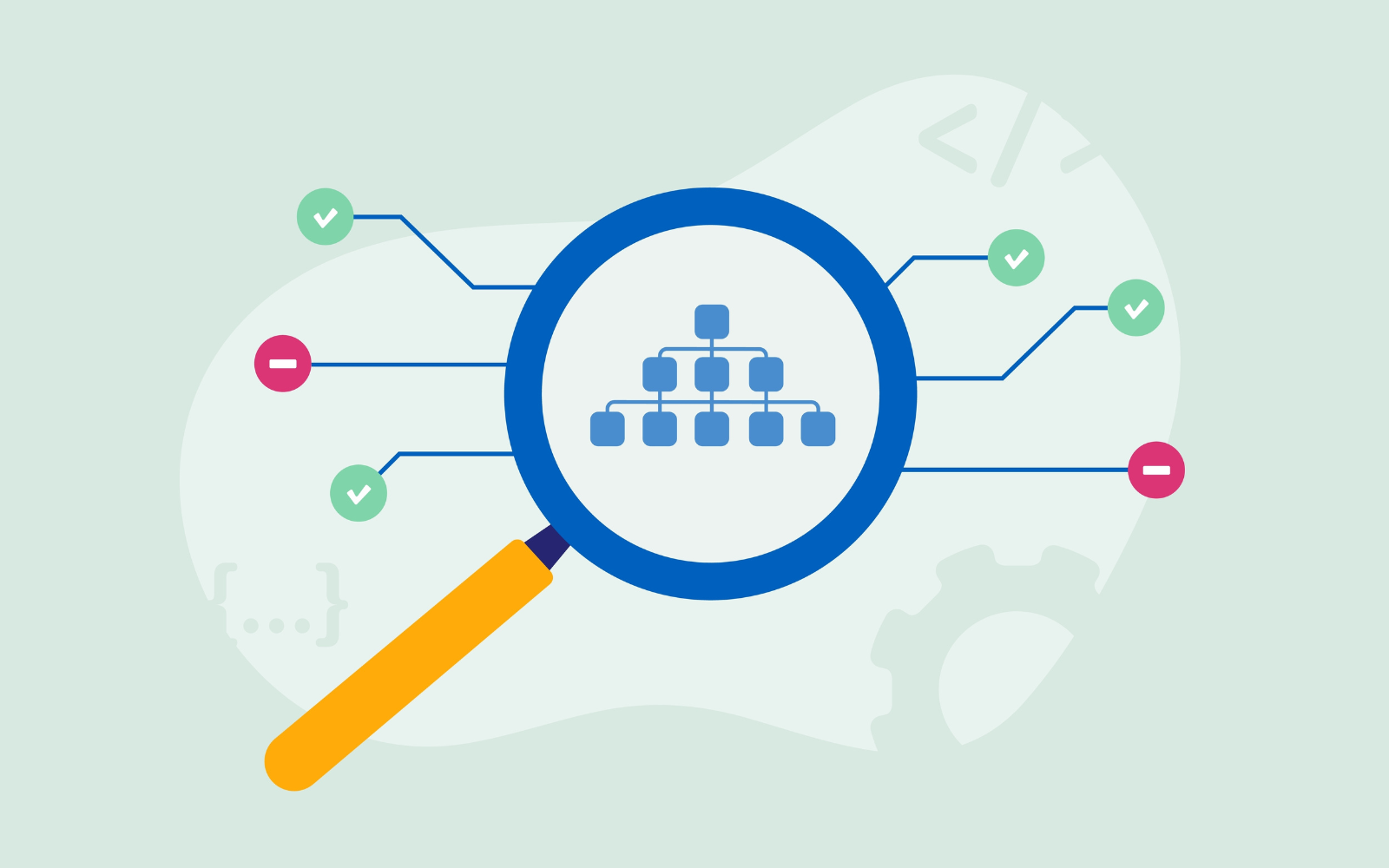
Search engines need to discover, crawl, and understand your website before your pages can rank in search results. Even the best content can struggle to gain visibility if search engine bots face difficulties accessing your website.
Website crawlability and log file analysis are two critical components of technical SEO that help businesses improve search engine visibility, optimize crawl budgets, and identify hidden website issues.
In this guide, we’ll explain what website crawlability is, why it matters, and how log file analysis can help improve your site’s SEO performance.
What is Website Crawlability?
Website crawlability refers to a search engine’s ability to access and navigate your website’s pages and content. Search engine crawlers, such as Googlebot, visit websites by following links and analyzing page content to determine what should be indexed.
A crawlable website allows search engines to:
- Discover new pages
- Understand website structure
- Access important content
- Index pages efficiently
- Identify updates and changes
If search engines cannot properly crawl your website, your pages may not appear in search results regardless of content quality.
Why Crawlability Matters for SEO
Poor crawlability can directly impact your organic search performance by causing:
1. Indexing Issues
Important pages may remain undiscovered or unindexed.
2. Wasted Crawl Budget
Search engines may spend time crawling duplicate, low-value, or broken pages instead of your key content.
3. Lower Search Visibility
Pages that are difficult to access may receive reduced attention from search engines, affecting rankings.
4. Delayed Content Discovery
New products, blog posts, or landing pages may take longer to appear in search results.
Common Crawlability Problems
Many websites unknowingly create barriers that prevent search engines from efficiently crawling content.
Broken Internal Links
Broken links create dead ends for both users and search engine crawlers.
Incorrect Robots.txt Rules
Misconfigured robots.txt files can accidentally block critical pages and resources.
Redirect Chains and Loops
Multiple redirects increase crawl complexity and waste crawl budget.
Orphan Pages
Pages with no internal links are difficult for crawlers to discover.
Duplicate Content
Multiple URLs containing similar content can confuse search engines and dilute crawl resources.
Slow Website Performance
Slow-loading pages may reduce crawling efficiency and negatively impact user experience.
Best Practices to Improve Website Crawlability
1. Create a Logical Site Structure
Organize content into clear categories and subcategories.
A good website hierarchy helps search engines understand relationships between pages.
Example:
Home → Services → SEO Services → Technical SEO
2. Optimize Internal Linking
Internal links guide search engine crawlers throughout your website.
Best practices include:
- Link to important pages frequently
- Use descriptive anchor text
- Avoid excessive clicks from the homepage
- Update old content with links to new pages
3. Submit XML Sitemaps
XML sitemaps provide search engines with a roadmap of your website.
Ensure your sitemap:
- Includes important URLs
- Excludes low-value pages
- Updates automatically when content changes
- Is submitted through Google Search Console
4. Review Robots.txt Configuration
Your robots.txt file should guide crawlers without blocking valuable content.
Regularly check that:
- Important pages are accessible
- CSS and JavaScript resources are not blocked
- Sitemap URLs are included
5. Fix Crawl Errors
Monitor crawl errors through SEO tools and Google Search Console.
Address issues such as:
- 404 pages
- Server errors
- Redirect problems
- Soft 404s
6. Improve Website Speed
Faster websites allow search engines to crawl more pages efficiently.
Speed optimization techniques include:
- Image compression
- Browser caching
- Code minification
- CDN implementation
- Server optimization
What is Log File Analysis?
Log file analysis is the process of examining server logs to understand how search engine bots interact with your website.
Every visit to your website generates a log entry containing information such as:
- Visitor IP address
- Requested URL
- Date and time
- User agent
- Server response code
When analyzed correctly, log files reveal exactly how Googlebot and other crawlers access your site.
Why Log File Analysis is Important
Unlike SEO tools that simulate crawling, log files show actual search engine behavior.
This helps businesses understand:
- Which pages Google crawls most often
- Which pages are ignored
- Crawl frequency patterns
- Crawl budget allocation
- Technical issues affecting crawling
Key Insights from Log File Analysis
Crawl Frequency
Identify how often search engines visit your important pages.
If high-value pages receive limited crawl activity, optimization may be required.
Crawl Budget Waste
Detect situations where bots spend excessive time crawling:
- Parameter URLs
- Duplicate pages
- Faceted navigation
- Outdated content
Response Code Analysis
Review server responses such as:
- 200 (Success)
- 301 (Redirect)
- 404 (Not Found)
- 500 (Server Error)
High volumes of error responses may indicate technical SEO problems.
Orphan Page Discovery
Log files often reveal pages receiving bot visits despite lacking internal links.
These pages can be optimized or removed depending on their value.
Bot Behavior Patterns
Analyze how Googlebot, Bingbot, and other search engines navigate your website.
How to Conduct Log File Analysis
Step 1: Access Server Logs
Obtain log files from your hosting provider, server administrator, or cloud infrastructure.
Step 2: Filter Search Engine Bots
Focus on user agents such as:
- Googlebot
- Bingbot
- Googlebot Image
- Googlebot Smartphone
Step 3: Analyze Crawl Data
Review:
- Frequently crawled pages
- Ignored pages
- Error responses
- Redirect activity
Step 4: Identify Technical Issues
Look for:
- Crawl traps
- Duplicate URLs
- Slow-loading pages
- Broken links
Step 5: Implement Fixes
Prioritize improvements that enhance crawl efficiency and indexing performance.
Tools for Crawlability and Log Analysis
Several tools can simplify technical SEO monitoring:
Website Crawling Tools
- Screaming Frog SEO Spider
- Sitebulb
- Ahrefs Site Audit
- Semrush Site Audit
Log File Analysis Tools
- Screaming Frog Log File Analyser
- JetOctopus
- Botify
- Splunk
- ELK Stack
These tools provide valuable insights into crawl behavior and website performance.
Signs Your Website Needs Crawlability Improvements
You may need a crawlability audit if you notice:
- Slow indexing of new pages
- Declining organic traffic
- High crawl error reports
- Large websites with low index coverage
- Unexplained ranking fluctuations
- Excessive duplicate content
Regular technical SEO reviews can help identify and resolve these issues before they impact performance.
Final Thoughts
Improving website crawlability and performing regular log file analysis are essential for maximizing search engine visibility. While content and backlinks remain important ranking factors, technical SEO ensures that search engines can efficiently discover, access, and index your content.
By maintaining a clean site architecture, optimizing internal links, fixing crawl errors, and analyzing server logs, businesses can improve crawl efficiency, conserve crawl budget, and create stronger foundations for long-term SEO success.
At WaffleBytes, we help businesses identify technical SEO bottlenecks, optimize website performance, and implement data-driven strategies that improve search visibility and organic growth. If your website is struggling with indexing or crawlability issues, a comprehensive technical SEO audit can uncover opportunities for improvement and help you achieve sustainable results.