In today’s digital landscape, users expect more than just visually appealing websites. They want experiences that feel personal, relevant, and tailored to their needs. Generic website experiences are quickly becoming outdated as businesses shift toward smarter, AI-driven personalization strategies.
Artificial Intelligence is transforming how websites interact with visitors. From personalized product recommendations and dynamic content to intelligent chatbots and predictive search, AI personalization is helping brands create more meaningful customer experiences online.
Modern consumers are constantly exposed to massive amounts of content and advertisements every day. Because of this, attention spans are shorter than ever. If a website fails to provide immediate relevance, users are likely to leave within seconds. AI personalization helps solve this problem by delivering customized experiences based on user behavior, interests, and preferences.
As businesses compete for engagement in increasingly crowded digital spaces, AI-powered personalization is becoming one of the most effective ways to improve user retention, increase conversions, and strengthen customer relationships.
What Is AI Personalization?
AI personalization refers to the use of artificial intelligence and machine learning to create customized website experiences for individual users.
Instead of showing the same content to every visitor, AI systems analyze user data and behavior to deliver relevant recommendations, content, and interactions in real time.
This can include:
- Personalized product suggestions
- Dynamic website content
- Customized email recommendations
- AI-powered chat assistance
- Personalized search results
- Smart content feeds
AI personalization works by analyzing data such as:
- Browsing history
- Purchase behavior
- User interests
- Time spent on pages
- Click patterns
- Geographic location
Using this information, AI systems predict what users are most likely to engage with and adjust the experience accordingly.
This makes websites feel more interactive, intelligent, and user-focused.
Why Website Engagement Matters
Website engagement is one of the strongest indicators of user experience and digital performance.
When users actively interact with a website, it often leads to:
- Longer session duration
- Lower bounce rates
- Higher conversion rates
- Better customer retention
- Increased sales and inquiries
Search engines also prioritize websites that provide strong user experiences. This means engagement indirectly impacts SEO performance as well.
However, maintaining engagement has become increasingly difficult because users now expect highly personalized digital experiences. Generic websites often struggle to capture attention, especially in competitive industries.
This is where AI personalization creates a major advantage.
How AI Personalization Improves Website Engagement
Personalized Content Recommendations
One of the biggest ways AI boosts engagement is through personalized content.
Instead of showing random articles, products, or services, AI systems recommend content based on what users are most interested in.
For example:
- E-commerce websites recommend products similar to previous purchases
- Streaming platforms suggest content based on viewing habits
- Blog websites display articles related to past reading behavior
This keeps users engaged because the content feels relevant to their interests.
Personalized recommendations also encourage visitors to spend more time exploring the website.
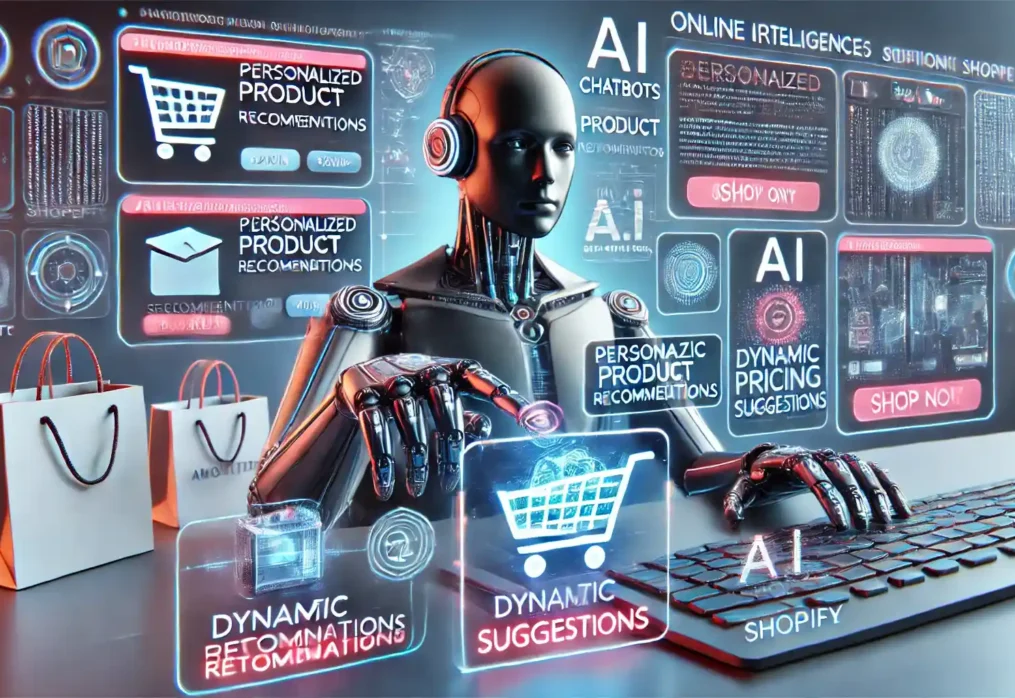
Smarter Product Recommendations
AI personalization has completely changed online shopping experiences.
Modern e-commerce websites use AI to analyze customer behavior and recommend products users are more likely to purchase.
For example, AI can recommend:
- Similar products
- Frequently bought together items
- Personalized fashion suggestions
- Products based on browsing history
This improves both engagement and conversion rates because users are presented with options that match their preferences.
Instead of manually searching through hundreds of products, users receive curated recommendations instantly.
Dynamic Website Experiences
AI personalization allows websites to adapt dynamically for different users.
This means the same website can appear differently depending on visitor behavior and preferences.
For example:
- Returning visitors may see personalized greetings
- Users from different locations may see localized content
- First-time visitors may receive introductory offers
- Existing customers may see loyalty rewards
Dynamic personalization creates a more customized experience, making users feel understood and valued.
This emotional connection often increases engagement and customer loyalty.
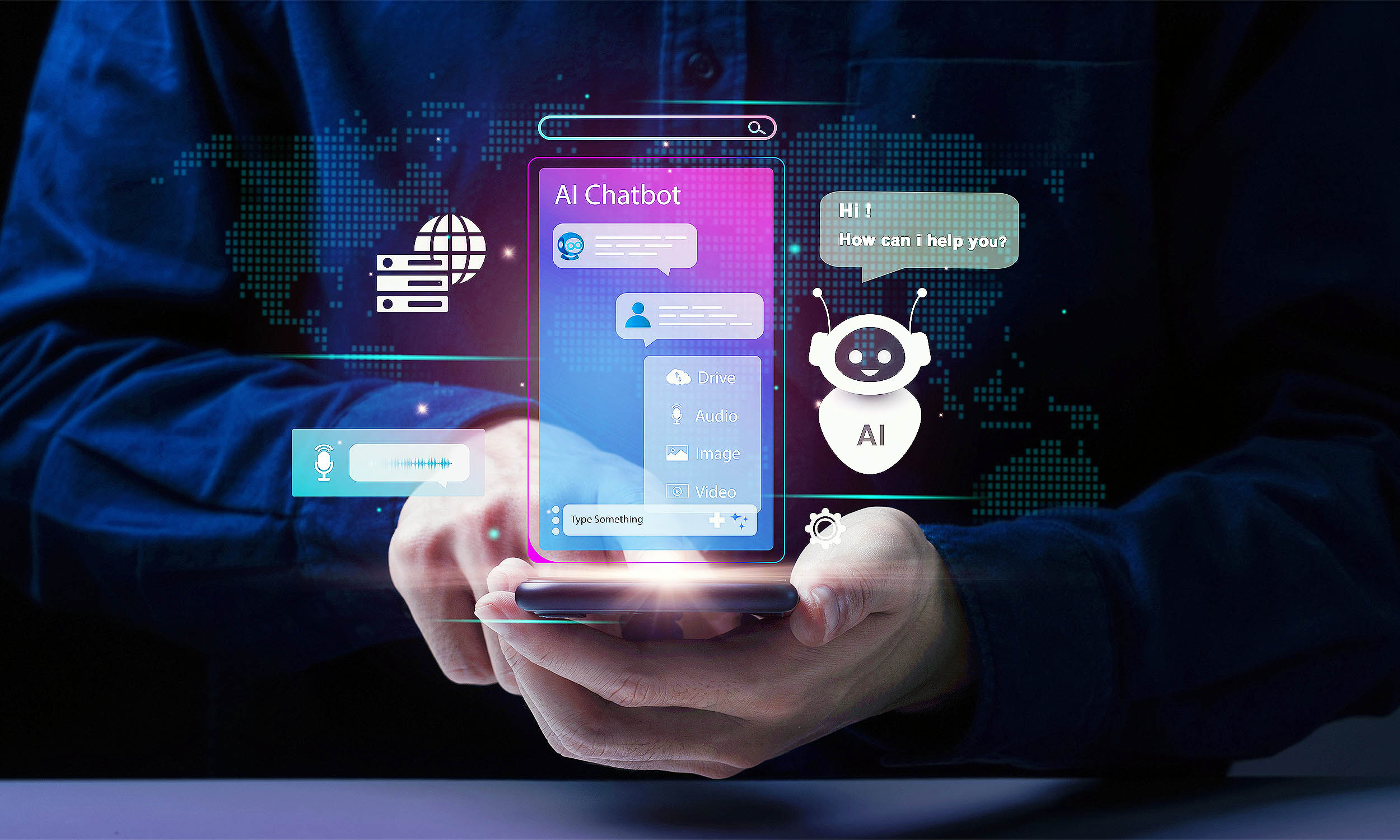
AI Chatbots and Conversational Engagement
AI-powered chatbots are another major part of website personalization.
Modern chatbots can:
- Answer questions instantly
- Recommend products or services
- Guide users through websites
- Provide personalized assistance
Unlike traditional support systems, AI chatbots create interactive experiences that feel conversational and immediate.
For example, if a visitor spends time browsing skincare products, the chatbot can recommend products based on skin concerns or preferences.
This personalized interaction increases user engagement while improving customer satisfaction.
Improved Search Experience
Website search functionality plays a major role in user experience.
Traditional search systems often struggle to understand user intent, leading to irrelevant results.
AI-powered search engines use machine learning and natural language processing to deliver smarter and more accurate results.
For example, AI search can:
- Predict search intent
- Understand conversational queries
- Recommend relevant categories
- Display personalized search results
This helps users find information faster, reducing frustration and improving engagement.
AI Personalization and Customer Retention
Engagement is not just about attracting visitors — it is also about keeping them coming back.
AI personalization improves customer retention by creating experiences users enjoy and remember.
When websites consistently provide relevant recommendations and personalized interactions, users are more likely to return in the future.
This is especially important in industries like:
- E-commerce
- Streaming platforms
- Online education
- SaaS businesses
- Digital publishing
Personalized experiences help brands build stronger relationships with users over time.
The Role of AI in Modern Digital Marketing
AI personalization is becoming a central part of digital marketing strategies.
Businesses now use AI to improve:
- Website experiences
- Email campaigns
- Social media advertising
- Customer segmentation
- Content marketing
AI allows marketers to better understand audience behavior and deliver more targeted experiences across multiple channels.
As personalization becomes more advanced, customers increasingly expect brands to understand their preferences automatically.
Businesses that fail to adapt may struggle to maintain engagement in the future.
Challenges of AI Personalization
Although AI personalization offers major advantages, there are also challenges businesses must address.
Privacy Concerns
AI personalization relies heavily on user data.
Because of this, businesses must prioritize:
- Data security
- Privacy compliance
- Transparent data collection
- Ethical AI practices
Users are becoming more aware of how their data is used online, making trust extremely important.
Over-Personalizatio
Too much personalization can sometimes feel intrusive.
If websites appear overly invasive or predictive, users may feel uncomfortable.
The goal should be balancing personalization with user privacy and comfort.
Data Accuracy
AI systems depend on accurate data to make effective recommendations.
Poor-quality data can lead to irrelevant suggestions and weaker user experiences.
Businesses must regularly optimize and monitor their AI systems for accuracy.
Future of AI Personalization
AI personalization is expected to become even more advanced in the coming years.
Future trends may include:
- Hyper-personalized website experiences
- Voice-based personalization
- Emotion-aware AI systems
- Real-time behavioral prediction
- AI-generated personalized content
As artificial intelligence continues evolving, websites will become increasingly adaptive and user-focused.
The future of digital experiences will likely revolve around intelligent personalization that feels seamless and natural.
Final Thoughts
AI personalization is changing how websites engage with users.
By delivering smarter recommendations, dynamic content, personalized interactions, and improved search experiences, AI helps businesses create more meaningful digital experiences.
In a world where users expect relevance and convenience, personalization is no longer optional — it is becoming essential.
Businesses that invest in AI-driven personalization strategies can improve engagement, increase customer satisfaction, strengthen retention, and gain a competitive advantage in the digital marketplace.
As technology continues evolving, AI personalization will play an even bigger role in shaping the future of websites and online customer experiences.